
Not all self defense classes Lakewood CO offers are teaching the same thing. Some give you a hard workout. Some teach useful habits under pressure. And some do both, which is where training starts to become truly valuable for adults, teens, and families who want more than a one-time seminar.
If you are searching for a program that helps you feel safer, stronger, and more capable, the real question is not just where to train. It is what kind of training will actually hold up when stress is high, space is limited, and you do not get to choose the situation.
What good self-defense training should actually teach
A strong self-defense program should build awareness, decision-making, and physical skill together. That matters because real-world encounters are messy. They do not happen on perfect footing, with plenty of time to think, or with rules everyone agrees to follow.
Good instruction teaches you how to manage distance, stay balanced, protect your head, and control panic. It also teaches when to disengage, when to create space, and when verbal skills can prevent a bad situation from becoming worse. The physical side matters, but so does judgment.
This is where many programs separate themselves. A class that only focuses on striking might help you hit harder, but it may leave gaps if someone grabs, clinches, or drives you to the ground. On the other hand, a class that only trains from the ground may not spend enough time on standing awareness, posture, and distance management. For many students, the best self-defense training includes both grappling and striking fundamentals, taught in a way that beginners can absorb.
Why style matters in self defense classes Lakewood CO students choose
People often search by location first, then compare schedules and prices. That makes sense, but style of training deserves just as much attention.
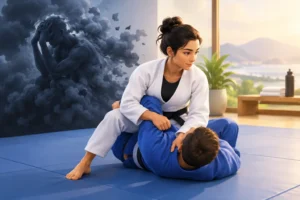
Brazilian Jiu-Jitsu is one of the most practical arts for self-defense because it gives smaller or less athletic people a way to control an opponent, escape bad positions, and stay calm in close contact. That last part is bigger than most beginners expect. When someone is grabbing you or putting pressure on you, panic can take over fast. Grappling training helps replace panic with process.
Muay Thai and kickboxing bring another layer. They help you manage range, move with purpose, throw clean strikes, and understand how to protect yourself while standing. That does not mean every self-defense situation should turn into a striking exchange. It means you should not be helpless on your feet.
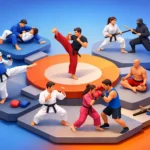
Judo and wrestling also matter because takedowns, balance, and clinch control show up in real confrontations more often than flashy combinations do. If a school offers multiple disciplines under one roof, that can be a real advantage. You get a more complete understanding of how encounters unfold, rather than a narrow piece of the puzzle.
The difference between fitness and functional training
There is nothing wrong with a cardio-based class. Many people start there because they want to feel healthier and less intimidated by exercise. But if your main goal is self-defense, you should know the difference between sweating a lot and learning a lot.
Functional training includes timing, resistance, and repetition against a partner who is not cooperating. Without that, it is hard to know whether a technique works for you. Drilling matters. So does live practice at an appropriate intensity. A school that gradually introduces partner work, positional training, and controlled sparring will usually build more reliable skill than one that keeps everything theoretical.
That said, intensity has to be managed well. Beginners do not need chaos on day one. The best academies know how to make training realistic without making it reckless. They create structure, coach details, and give students room to improve without feeling overwhelmed.
How to evaluate an academy before you commit
When comparing self defense classes in Lakewood, pay attention to the environment as much as the curriculum. Serious training should still feel welcoming. You want coaching that is technical and clear, not vague or ego-driven.
Start by watching how instructors teach beginners. Do they break skills into manageable steps? Do they correct posture, movement, and mechanics? Do they explain why something works, not just what to do? Strong coaching creates confidence because students understand the purpose behind the drills.
Next, look at the culture. A good academy will have experienced students who train hard but help newer people learn. That combination is not automatic. Some gyms are talented but hard to break into socially. Others are friendly but lack structure. The best schools offer both standards and support.
Safety is another clear sign of quality. Clean mats, organized classes, controlled partner work, and coaches who pay attention all matter. If training feels sloppy, injuries become more likely and progress slows down.
What beginners should expect in their first few weeks
Most beginners worry about two things. They wonder whether they are in shape enough to start, and whether they will feel out of place.
The truth is that good self-defense training is built for beginners to grow into. You do not need prior experience. You do not need to be fast, flexible, or naturally aggressive. You need a willingness to learn, show up consistently, and stay coachable.
In the first few weeks, you should expect to feel challenged. New movement patterns take time. So does learning how to stay relaxed while someone is putting pressure on you. That is normal. Progress in martial arts often shows up quietly at first. You notice that your stance is more stable, your reactions are less frantic, and your confidence outside the gym starts to change too.
This is one reason structured programs matter. When classes follow a clear progression, students improve faster and feel less lost. High-level affiliation can help here as well, because it often means the curriculum is not random. It is organized, tested, and taught with consistency.
Families and teens need a different kind of self-defense value
For kids and teens, self-defense is not just about fighting back. It is about posture, awareness, boundaries, confidence, and emotional control. A strong youth program teaches students how to respond to pressure without feeding panic or insecurity.
Parents should look for classes that build discipline without relying on fear or humiliation. The goal is not to create reckless behavior. The goal is to help kids carry themselves with confidence, communicate clearly, and develop real skills through repetition and respect.
For teens especially, martial arts can provide structure during years when confidence is often unstable. Training gives them measurable progress, accountability, and a healthier relationship with stress. Those benefits carry into school, sports, and daily life.
Why community matters more than people think
Many people start self-defense classes because they want practical skills. They stay because of the environment.
A strong academy becomes more than a workout space. It becomes a place where people are expected to improve, support each other, and train with purpose. That matters on the days when motivation is low and life feels busy. Community helps consistency, and consistency is what turns techniques into instinct.
For adults, that can mean finding a training routine that builds resilience after work instead of draining it. For families, it can mean having one place where parents and kids both grow in confidence and discipline. For serious students, it can mean access to deeper instruction and cross-training opportunities that keep development moving forward.
At a school like Imperial BJJ Lakewood, that balance matters. Students want real martial arts, not watered-down movement classes. But they also want a place where beginners are respected, families feel welcome, and improvement is expected.
Choosing the right fit for your goals
The right program depends on what you need most. If your priority is confidence and general preparedness, a beginner-friendly academy with solid fundamentals may be enough. If you want deeper self-defense capability, look for a school that combines grappling, striking, and live training. If you are also thinking about your child, the quality of the youth culture should weigh heavily in your decision.
Convenience matters too. Even the best academy will not help much if the schedule does not fit your life. A good location, flexible class options, and a low-friction way to try training can make the difference between wanting to start and actually starting.
The best self-defense classes are not the ones making the biggest promises. They are the ones helping ordinary people become calmer, stronger, and more capable through disciplined practice. If you find a school that teaches with structure, trains with purpose, and treats people with respect, you are probably in the right place.
The first class does not need to prove everything. It just needs to show you that real progress is possible, and that you do not have to figure it out alone.



1 Comment
[…] your goals include self-defense, problem-solving, steady fitness gains, and long-term development, BJJ deserves to be near the top […]