
Walking into a gym for your first class can feel harder than the workout itself. Most people searching for a lakewood martial arts beginner program are not worried about whether training works. They are worried about whether they will fit in, keep up, or look completely out of place. That hesitation is normal, and a good beginner program is built to remove it from the first class forward.
The right academy does not throw new students into the deep end and hope they adapt. It gives them structure, clear coaching, and a culture that treats beginners like future long-term members of the team, not temporary visitors. If you are an adult looking for fitness and confidence, a teen who wants discipline and real skill, or a parent comparing options for your child, the beginner experience matters more than flashy marketing.
What a lakewood martial arts beginner program should actually include
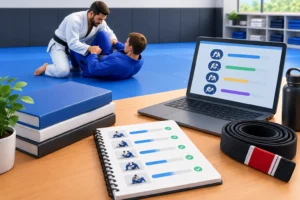
A true beginner program is more than an open invitation to show up. It should have a clear starting point, a teaching method designed for first-timers, and a way to measure progress without making new students feel overwhelmed.
That starts with fundamentals. New students need stance, movement, balance, timing, and basic defensive habits before they need anything advanced. In grappling, that may mean learning how to move on the ground, maintain posture, escape bad positions, and understand simple control concepts. In striking, it often means footwork, guard position, distance management, and safe combinations. If those basics are skipped, beginners may get a hard workout, but they will not build reliable skill.
Coaching style matters just as much. Good beginner instruction is detailed without becoming complicated. Coaches should be able to break techniques into steps, explain why each detail matters, and adjust based on the student in front of them. Some people are athletic but tense. Others are coordinated but hesitant. Some are strong enough to muscle through drills, which can slow their technical growth. A strong beginner program meets each of those students where they are.
The room itself matters too. A serious academy should feel disciplined, but it should not feel hostile. Respect, safety, and accountability create the kind of environment where new students stay consistent long enough to improve.
Why beginners often do better with structured training
A lot of people think they need to get in shape before they begin martial arts. Usually, the opposite is true. They get in shape by training, and they build confidence by learning in a structured setting where progress is visible.
That structure is what separates martial arts from random workouts people quit after three weeks. You are not just burning calories. You are solving problems, learning positions, reacting under pressure, and improving with repetition. That gives training a sense of purpose, which makes consistency easier.
There is also a mental benefit that surprises many beginners. Martial arts asks for focus. During class, there is not much room left for work stress, phone distractions, or the usual mental clutter. You are paying attention to grips, foot placement, timing, breathing, and your partner. That kind of focus is grounding, and over time it builds composure.
The trade-off is that martial arts can feel humbling early on. You will be corrected. You will make mistakes. You will forget combinations or get stuck in positions you just drilled. That is not failure. That is how real skill is built.
Choosing the right style as a beginner
Not every beginner wants the same thing, which is why style selection matters. Some people are mainly interested in self-defense. Some want a demanding fitness routine. Others want confidence, community, or a competitive path down the line.
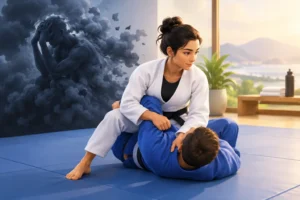
Brazilian Jiu-Jitsu is a strong fit for many beginners because it teaches leverage, control, and problem-solving in a way that does not depend on size or athletic background. It also gives students a clear technical roadmap. You can feel improvement in very specific ways, from escaping side control to holding better posture to understanding when to apply pressure and when to create space.
Muay Thai and kickboxing appeal to students who want dynamic conditioning and striking skills. These classes often feel more immediately athletic, which some beginners love. They can also be intimidating if the culture is too ego-driven, so coaching quality matters a lot.
Judo and wrestling build balance, pressure, takedowns, and body awareness, but the learning curve can feel steeper at first depending on the student. For kids and teens, the best choice is usually the program that balances discipline, safety, and engagement, not the one with the most dramatic branding.
For many people, a multi-discipline academy is the best option because it leaves room to grow. A beginner may start with one area, then expand into others once they feel comfortable.
What your first few weeks should feel like
Your first week should not feel easy, but it should feel manageable. Expect to learn names of positions, basic movements, and training etiquette. Expect to feel awkward in places. That is part of being new.
By week two or three, most beginners start noticing small wins. They understand class flow better. They stop feeling lost during warmups. They recognize a few techniques before the coach finishes explaining them. That early momentum is important.
By the end of the first month, the goal is not mastery. The goal is familiarity, confidence, and the habit of showing up. A strong beginner program builds around that reality. It does not pressure people to perform at an advanced level before they have the foundation.
This is one reason many students do well in a school that has a defined curriculum and experienced coaching staff. At Imperial BJJ Lakewood, for example, beginner development is supported by technical structure and a serious training culture that still feels welcoming. That combination helps new students build trust in the process.
What parents should look for in a youth beginner program
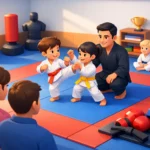
For children, beginner training should develop more than athletic ability. Parents are usually looking for discipline, confidence, focus, and the ability to handle challenges without shutting down. The best youth programs teach those qualities directly through martial arts practice.
A quality class for kids should be organized, age-appropriate, and clear about expectations. Young students need routines, coaching that holds their attention, and instructors who understand how to correct behavior without killing enthusiasm. They also need enough positive reinforcement to stay engaged while still learning respect and accountability.
Parents should pay attention to how instructors manage the room. Are students attentive? Are coaches patient but firm? Do children look challenged in a healthy way? Those details tell you more than a sales pitch ever will.
For anti-bullying and self-confidence, martial arts can be powerful, but only when taught in an environment that values control and character. Aggression without discipline is not the goal. Calm confidence is.
Common beginner concerns, answered honestly
One of the biggest concerns is fitness level. You do not need to arrive in shape. You do need to be coachable and consistent. Classes can be modified, and endurance improves faster than most people expect when they train regularly.
Another concern is age. Adults often assume they started too late. In reality, many people begin in their thirties, forties, or beyond and make excellent progress. Your pace may be different from a competitive twenty-year-old, but beginner success is not reserved for one age group.
Injury fear is also common. Any physical activity carries some risk, and good academies do not pretend otherwise. What reduces that risk is smart coaching, controlled training, proper partner matching, and a culture that discourages ego. Beginners should be taught how to move safely, tap early when needed, and train with awareness.
Some people also worry about intimidation. That concern is valid. Martial arts can attract strong personalities. But the right school makes a clear difference between intensity and hostility. Serious training and supportive culture can exist together, and they should.
How to know you found the right place
The right beginner program makes you want to come back after the first class. Not because it was easy, but because it felt purposeful. You should leave tired, challenged, and clearer about what comes next.
Look for an academy that takes fundamentals seriously, teaches with consistency, and treats every student with respect. Look for coaches who correct details, not just hype the room. Look for a culture where experienced students help set the standard without making beginners feel like outsiders.
The best training environment gives you room to grow. It should be structured enough to build real skill and supportive enough to keep you moving through the hard early stages. That is what turns curiosity into progress and progress into a lasting habit.
If you have been waiting to feel more ready, more confident, or more in shape before starting, that day usually does not arrive on its own. The better move is to begin where you are, train with purpose, and let the process do its work.



No comment yet, add your voice below!