
The first class tells you a lot. You can usually spot the difference between a youth program that simply keeps kids busy and one that actually helps them grow within the first ten minutes. Are the coaches organized? Do the kids know what is expected? Is the room controlled without feeling stiff? A strong parent guide to youth martial arts programs starts there, because the right school should build confidence, discipline, and real skill at the same time.
For many families, martial arts is not just another activity to fill a weeknight. It is a place where a child learns how to listen under pressure, solve problems without panic, and carry themselves with more self-respect. That is why choosing a program deserves more thought than comparing class times and monthly rates.
What a good youth martial arts program should actually teach
Parents often start with the obvious goals. They want their child to get exercise, learn self-defense, and burn off some energy in a healthy way. Those are fair reasons to enroll. But the best programs do more than improve coordination and fitness.
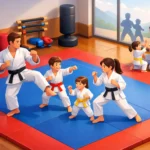
A well-run youth martial arts class teaches structure. Kids learn when to speak, when to focus, and how to follow instructions the first time. They also learn how to work through frustration. Not every technique comes quickly, and that matters. The process of trying, adjusting, and trying again is where much of the growth happens.
There is also a social benefit that gets overlooked. Good training helps kids interact with peers respectfully, even in competitive settings. They learn how to be assertive without being aggressive. For shy kids, that can mean finding their voice. For highly energetic kids, it can mean learning control.
Parent guide to youth martial arts programs: what to look for first
The instructor is more important than the style.
That point surprises some parents, especially if they are comparing Brazilian Jiu-Jitsu, Muay Thai, karate, wrestling, or judo. Style matters, but coaching matters more. A great youth coach knows how to teach children at different developmental stages, maintain order, and keep standards high without creating fear or embarrassment.
Watch how the coach corrects students. Strong instructors are clear and firm, but they do not humiliate kids for making mistakes. They know when to challenge and when to encourage. They also keep the class moving. Children stay engaged when there is a rhythm to instruction, drilling, and partner work.
You should also look for age-appropriate structure. A class for 4- to 6-year-olds should not feel like a class for preteens. Younger children need shorter instruction blocks, simple goals, and frequent redirection. Older kids can handle more technical detail, more live practice, and more accountability. If every age group is taught the same way, the program may not be built with youth development in mind.
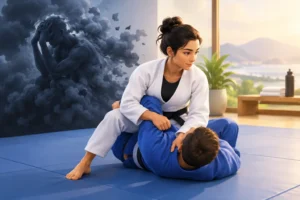
Safety is another early filter. That does not mean the class should look soft or overly cautious. Martial arts should still feel real. But good programs have controlled intensity, clear rules, and supervision that matches the activity. In grappling arts, for example, children should be taught how to move safely, how to train with partners responsibly, and how to stop when instructed. In striking-based classes, supervision and contact standards should be especially clear.
Choosing the right martial art for your child
This is where there is no one-size-fits-all answer.
Some children do best in Brazilian Jiu-Jitsu because it is hands-on, technical, and rooted in leverage rather than size. It can be especially helpful for kids who need confidence in close-contact situations or want realistic self-defense skills without relying on punches and kicks.
Other children enjoy the rhythm and movement of striking arts. Programs that include kickboxing or Muay Thai can help with balance, coordination, focus, and conditioning. They may appeal to kids who like fast-paced activity and visible combinations.
Judo and wrestling can also be excellent options for children who enjoy takedowns, physical engagement, and athletic problem-solving. These arts develop body awareness and toughness in a very direct way.
The best fit depends on your child’s temperament, not just your preference. A cautious child may thrive in an environment that builds confidence gradually. A highly competitive child may need a program that channels intensity into discipline. Sometimes the right answer is a multi-discipline academy where families can find the style and structure that best match the student over time.
Signs a youth martial arts school is a strong fit
A good school is organized before class even starts. Staff are attentive. The space is clean. Expectations are easy to understand. Parents are not left guessing about how classes work, what students should wear, or what progression looks like.
You should also pay attention to culture. The strongest academies create an atmosphere of respect that kids can feel immediately. Students help each other. More experienced children set a good example. Coaches know names and notice effort, not just talent.
Progress should be earned, not handed out to keep families happy. Belt promotions, stripes, or other rank systems should reflect attendance, skill development, attitude, and consistency. Kids often feel more pride when they know advancement means something.
A strong program also welcomes beginners without lowering standards. That balance matters. Your child should not feel lost on day one, but they should still be entering a structured environment where growth is expected.
Red flags parents should take seriously
If a class looks chaotic every time you watch, believe what you are seeing. Energy is normal. Lack of control is not.
Be cautious if instructors spend more time entertaining than teaching. Martial arts for kids should be engaging, but constant games with little technical instruction usually mean the program is being sold as discipline without actually delivering it.
Another red flag is vague communication around safety, contact, or advancement. Parents should understand how coaches manage partner work, how students are grouped, and how progress is measured. If those answers are unclear, the program may not be as structured as it appears.
Also pay attention to whether the school uses intimidation as a teaching tool. Discipline should come from consistency and standards, not fear. Kids can be challenged seriously while still feeling supported.
How parents can help without getting in the way
Your role matters more than many people realize.
The kids who benefit most from martial arts usually have support at home that matches the values on the mat. That does not mean you need to become an expert in technique. It means showing up consistently, reinforcing respect, and treating training like a commitment rather than a casual drop-in activity.
Try not to focus only on wins, belts, or natural ability. Praise effort, composure, and coachability. If your child struggled through class but stayed engaged, that is progress. If they lost position during drills but did not quit, that matters too.
It also helps to give the program time to work. Some children love martial arts immediately. Others need a few weeks to settle in, especially if the structure is new. There is a difference between a normal adjustment period and a true mismatch. Good coaches can usually help you tell the difference.
Questions to ask before you enroll
A few direct questions can save a lot of frustration later. Ask how classes are separated by age and experience. Ask what a beginner’s first month looks like. Ask how the school handles shy children, highly active children, or kids who need a little time to build confidence.
You can also ask how instructors define success for youth students. The best answers usually go beyond medals or rank. They include focus, resilience, respect, consistency, and skill development.
If a school offers a trial period, use it well. Watch more than one class if possible. Notice how your child responds, but also notice how the coaching staff responds to your child. That interaction often tells you whether the program is built for real development or just enrollment volume.
In a place like Imperial BJJ Lakewood, where youth training is part of a broader martial arts academy culture, parents can often see another advantage: children are not treated like an afterthought. They are part of a serious, supportive environment where discipline and belonging can grow together.
The right program will not magically change your child overnight. What it can do is give them a place to practice discipline, courage, and respect week after week until those habits start to feel like their own.



No comment yet, add your voice below!