
Your first Brazilian Jiu-Jitsu class should feel challenging, not confusing. The gi or no gi for beginners question matters, but it should not become the reason you postpone starting. Both styles teach you how to control an opponent, escape bad positions, stay composed under pressure, and build confidence through consistent training.
The best choice is usually the class you can attend consistently with quality coaching and training partners who help new students learn safely. Still, gi and no gi feel different enough that understanding the distinction can help you walk onto the mat prepared.
Gi or No Gi for Beginners: The Core Difference
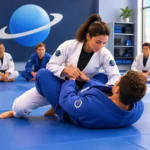
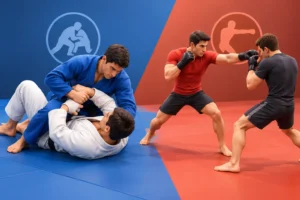
In gi Jiu-Jitsu, students wear a traditional uniform: a heavy cotton jacket, pants, and belt. The uniform gives both people handles to grip. You can control a sleeve, pull a collar, trap an arm with the pants, or use lapel grips to improve your position and set up submissions.
No gi training is done in athletic clothing, usually a rash guard and grappling shorts without pockets or zippers. Because there is no jacket or pants to grab, control comes more from underhooks, head position, wrist control, body locks, and wrestling-based movement. The pace can feel faster because sweaty training partners are harder to hold in place.
Neither style is the “real” version of Jiu-Jitsu. They are closely related expressions of the same art, with different tools and tactical priorities. A strong beginner foundation in either one transfers well to the other.
Why Many Beginners Start With the Gi
The gi can be an excellent starting point because its grips make certain positions easier to understand. When you hold a collar and sleeve, for example, you have clear connection points that help you feel where your partner is moving. That feedback can make balance, posture, and control more visible to a new student.
Gi training often rewards patience. Since there are more grips to fight and more ways to slow an exchange, beginners may have a little more time to recognize what is happening before reacting. It is not easy, but it can be easier to study the details of a guard pass, sweep, or escape without every round becoming a scramble.
The gi also develops grip endurance, posture, and defensive awareness. You quickly learn that leaving an arm extended or allowing someone to establish a deep collar grip can create a problem. Those lessons sharpen your attention to position, even when you later train no gi.
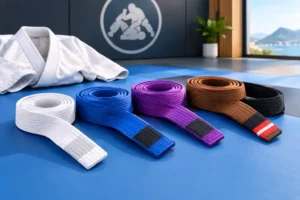
For people interested in traditional Brazilian Jiu-Jitsu culture, rank progression, and technical problem-solving, the gi has a special appeal. The belt is not magic, but it represents a long-term commitment to learning, discipline, and steady improvement.
Why No Gi Appeals to New Students
No gi often feels more familiar to people with a background in wrestling, football, MMA, or general athletic training. The clothing is simple, the movement is direct, and the emphasis on takedowns, clinches, and body control can feel immediately practical.
Without lapels and sleeves, no gi forces students to learn how to connect their bodies to an opponent. You will spend time developing underhooks, seatbelt grips, front headlock control, and pressure from chest-to-chest positions. These skills are valuable in grappling competition, MMA, and many self-defense situations where an opponent is not wearing a heavy jacket.
There is a trade-off: no gi can feel quicker and more slippery, especially during live rounds. A beginner may initially find it harder to slow an experienced partner down. Good coaching matters here. A structured beginner class should teach positional control before asking you to solve every problem at full speed.
Your Goals Can Point You in the Right Direction
If your main goal is self-defense, training both gi and no gi is ideal over time. Real-world clothing varies, and so do the situations you may need to manage. Gi training teaches you to recognize clothing grips and collar-based control, while no gi develops clinch control and movement without relying on fabric.
If you are drawn to sport competition, choose the ruleset that excites you most. Gi tournaments reward grip fighting, guard strategy, and a deep range of technical submissions. No gi competitions place a larger premium on wrestling, pace, and leg-lock awareness at advanced levels. Beginners do not need to worry about mastering every competition rule on day one, but it helps to train in the environment you may eventually want to test yourself in.
If fitness is the priority, either option will challenge you. Gi classes can be physically demanding because of the uniform, grip work, and sustained pressure. No gi can feel more explosive and cardio-heavy. The better workout is the one that keeps you returning week after week.
What You Need for Your First Class
A gi class requires a properly fitted gi and a belt. Many academies can help new students borrow or purchase the right uniform after they decide to continue. The gi should be clean, fit comfortably, and allow full movement without being excessively loose or restrictive.
For no gi, wear a fitted athletic shirt or rash guard and grappling shorts or athletic shorts with no pockets, buttons, or metal hardware. Avoid loose cotton shirts that can get pulled over your head. Remove jewelry, keep fingernails and toenails trimmed, and bring water.
Hygiene is part of respect for your training partners in both styles. Wash your uniform or training clothes after every session, shower as soon as practical, and cover any cuts. These habits protect the entire team and become second nature quickly.
Do Not Let Gear Decide Your Commitment
Some people overthink the first purchase before they have even felt what training is like. You do not need a closet full of rash guards, a custom gi, or competition plans to begin. You need a willingness to learn, basic humility, and the discipline to show up.
A good academy will give beginners a clear path. Coaches should explain the structure of class, pair you with responsible partners, teach you how to tap, and make sure you understand that tapping is a smart training decision, not a failure. The room should be serious about technique and safety while still making space for questions and progress at your own pace.
At Imperial BJJ Lakewood, beginners can train within a structured Brazilian Jiu-Jitsu curriculum shaped by the Demian Maia lineage while also having opportunities to build wrestling, Judo, and striking skills. That broader training environment can be especially valuable for students who are still discovering where their interests fit.
Can You Train Both Gi and No Gi as a Beginner?
Yes, and many students eventually do. Training both styles prevents you from becoming overly dependent on any one type of grip or position. A collar grip will not be available in no gi, but the posture, pressure, balance, and timing you develop in the gi still matter. Likewise, the wrestling and body-lock control from no gi can make your gi takedowns and guard passing more effective.
There is no need to split your attention equally from the start. If your schedule only allows two classes per week, pick the program that fits those times and commit to it. After you have learned the basic positions – guard, mount, side control, back control, and standing posture – adding the other style becomes much less intimidating.
Consistency beats the perfect style choice. One focused class every week will do more for your confidence than a carefully researched plan you never put into action.
The Best Choice Is the One You Will Keep Training
Choose gi if you enjoy the traditional uniform, detailed grip fighting, and a more methodical tactical game. Choose no gi if you prefer athletic clothing, faster transitions, and a strong connection to wrestling and MMA. Choose both if you have the time and want the most complete grappling education.
Most importantly, give yourself permission to be new. Your first classes may leave you tired, humbled, and surprised by how much there is to learn. Come back anyway. The right training room will meet your effort with coaching, respect, and a community that wants to see you grow.



No comment yet, add your voice below!