
The first day of BJJ classes can feel intimidating before you ever step on the mat. You may picture a room full of advanced athletes, complicated techniques, and a pace you cannot keep up with. A quality academy changes that experience quickly. You are greeted, shown where to start, paired responsibly, and taught one clear skill at a time.
Brazilian Jiu-Jitsu is not about being the loudest, strongest, or most naturally athletic person in the room. It is a technical martial art built around positioning, leverage, timing, and calm decision-making under pressure. That makes it a powerful choice for adults who want a real challenge and for kids who need a constructive place to build confidence.
What You Actually Learn in BJJ Classes
A strong BJJ program gives beginners a system rather than throwing them into random techniques. Early lessons typically focus on movement, posture, balance, escapes, and the fundamental positions that shape every round of grappling. Students learn how to defend from difficult situations, control space, and use leverage instead of relying only on strength.
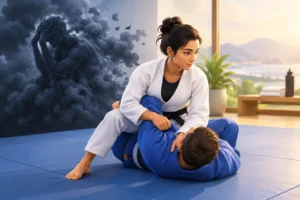
Over time, those fundamentals connect. You begin to recognize when you are in the guard, side control, mount, or back control, and you understand the basic goals from each position. You learn submissions, but responsible instruction places equal value on control, safe tapping, defensive awareness, and respect for your training partner.
Live training, often called rolling, is where the lessons become practical. It is not a fight to prove who is tougher. It is a supervised problem-solving environment where you test technique against resistance, make mistakes, and return to class with a clearer idea of what to improve. New students should be introduced to rolling at an appropriate pace, not pressured into a hard round before they understand basic safety and etiquette.
Progress Is Measured Beyond Belts
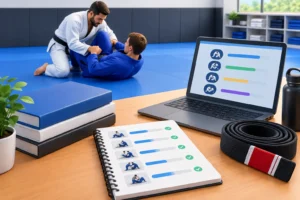
Belts matter because they mark long-term development, but they are not the only evidence that training is working. Progress often shows up in smaller moments: staying calm when someone applies pressure, remembering an escape you drilled last week, getting through a demanding round without quitting, or walking into class even after a difficult day.
That is one reason Jiu-Jitsu stays engaging. There is always another detail to study, another position to improve, and another training partner who presents a different challenge. The learning curve is real, but it is also what makes the practice rewarding.
Choosing BJJ Classes That Fit Your Goals
Not every student enters the academy for the same reason. Some want practical self-defense and greater confidence. Others are looking for a demanding alternative to a conventional gym. Parents may want their child to develop discipline, resilience, and better responses to bullying. Experienced grapplers may be searching for technical coaching and teammates who take improvement seriously.
The right program meets you where you are while still asking you to grow. For a complete beginner, that means clear instruction, a welcoming culture, and training partners who understand how to work safely with someone new. For an experienced athlete, it means a structured curriculum, detailed coaching, productive live rounds, and room to pursue competition if that is a goal.
When evaluating an academy, pay attention to the coaching rather than just the appearance of the room. Are techniques explained in a way beginners can follow? Do instructors correct details instead of simply demonstrating a move once? Are students respectful when training gets competitive? Does the academy have a defined approach to safety, cleanliness, and partner selection?
Lineage and coaching standards also matter. A recognized affiliation can provide a consistent technical framework and connection to a proven curriculum. At Imperial BJJ Lakewood, instruction is shaped by the Demian Maia Jiu Jitsu Brasileiro affiliation, bringing a technical, pressure-based approach rooted in elite Brazilian Jiu-Jitsu.
A First Class Should Feel Challenging, Not Confusing
You do not need prior martial arts experience, exceptional flexibility, or a certain body type to begin. Most new students arrive with questions about fitness, age, and whether they will be able to keep up. The answer depends on your starting point, but good coaching makes room for different levels and helps you build capacity gradually.
Expect to sweat and to feel mentally engaged. You may not remember every term on day one, and that is normal. Focus on learning safe movement, listening closely, and asking questions. Consistency matters far more than trying to learn everything immediately.
For your first session, wear comfortable athletic clothing if a uniform is not required, bring water, keep your nails trimmed, and arrive a little early. Hygiene is part of respect in a close-contact sport. So is communicating with your coach about injuries, limitations, or concerns before class begins.
Why Adults Stay With Brazilian Jiu-Jitsu
Many adults start training because they want to get in shape, but they stay because BJJ gives fitness a purpose. Drilling and sparring build cardiovascular conditioning, mobility, grip strength, coordination, and body awareness while keeping the mind active. Instead of counting repetitions on a machine, you are solving a physical problem with another person.
There are trade-offs. Jiu-Jitsu is demanding, and training hard every day is not necessary or wise for everyone. Recovery, sleep, mobility work, and sensible pacing matter, especially for busy professionals, parents, and people returning to exercise after time away. Two or three consistent classes each week can create meaningful progress without taking over your life.
The community is equally valuable. A good academy becomes a place where people know your name, notice when you improve, and hold you accountable when motivation dips. Training alongside people of different ages, professions, and experience levels creates a shared standard: show up, work with intention, and help others improve.
BJJ for Kids: Structure They Can Carry Everywhere
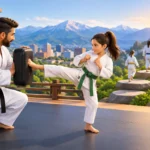
Youth BJJ is not an adult class made smaller. Children need age-appropriate instruction, clear rules, positive accountability, and a balance of skill development and fun. The best programs teach movement and self-defense while reinforcing listening, patience, respect, and emotional control.
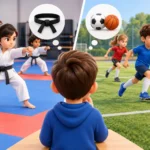
For a child who is shy, training can create a steady path toward confidence. For a child with high energy, it provides structure and a productive outlet. For a child facing social pressure or bullying, BJJ can teach awareness, boundaries, and the importance of seeking help from trusted adults rather than escalating conflict.
Parents should look for coaches who set a positive tone. Discipline should be clear, but it should never come through humiliation or fear. Kids improve when they feel safe enough to try, fail, listen, and try again. The goal is not simply to produce better athletes. It is to help develop capable young people who carry themselves with respect.
Give Yourself Enough Time to See the Difference
One class can show you whether the environment feels right. A few weeks reveal how the instruction is organized. Real change comes from giving the process time. The student who attends consistently, drills with attention, taps early, and stays open to coaching will progress faster than the person chasing quick results.
Start with the goal that brought you through the door, whether it is fitness, self-defense, competition, or confidence. Then allow the practice to offer more. The strongest habit you can build is simple: come back to the mat, learn one detail well, and let disciplined effort add up.


No comment yet, add your voice below!